Invisible Integrations for Comfort and Calm
Today we explore invisible smart home integrations for comfort and calm, focusing on quiet, context-aware automations that melt into everyday life. Expect practical patterns, gentle design tips, and relatable stories showing how subtle sensors, adaptive lighting, and local intelligence reduce friction, minimize noise, and return attention to what matters most—rest, connection, and unhurried living. You’ll find steps you can try tonight, options to scale over time, and reassuring security practices that keep serenity intact without constant tweaking or screen time.
Quiet Comfort, Felt Not Seen
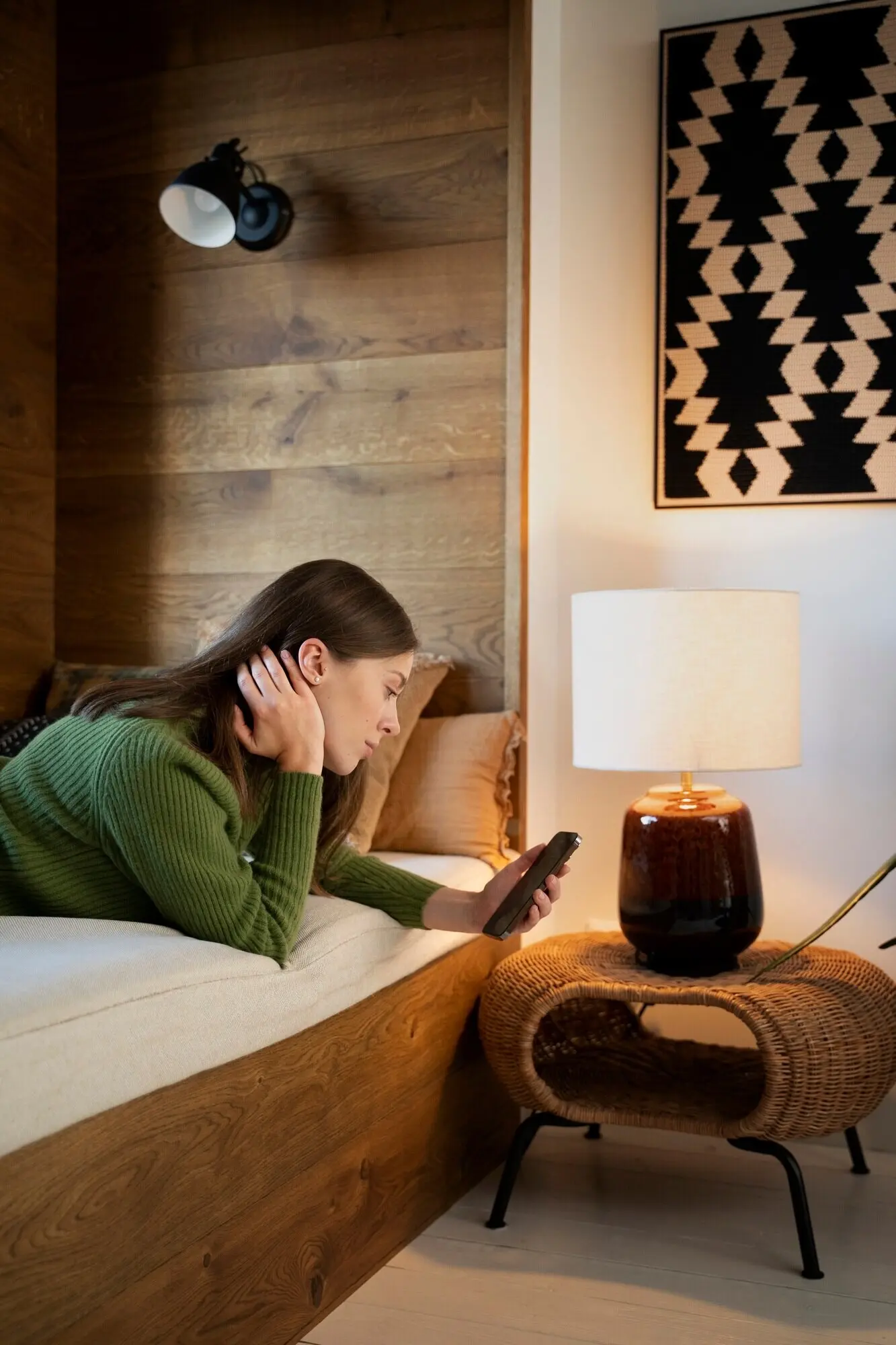
The most comforting homes rarely announce their cleverness. Instead, small, graceful decisions happen at the right moment—lights easing on before you ask, air settling to a precise softness, and gentle cues guiding your evening. When technology disappears, your mind relaxes. These integrations honor routines without demanding attention, turning comfort into a steady rhythm. We’ll unpack how timing, intent, and context combine to create a sanctuary that’s attentive yet discreet, reliable yet adaptable, always prioritizing human ease over gadget spectacle.
Sensing Without Surveillance
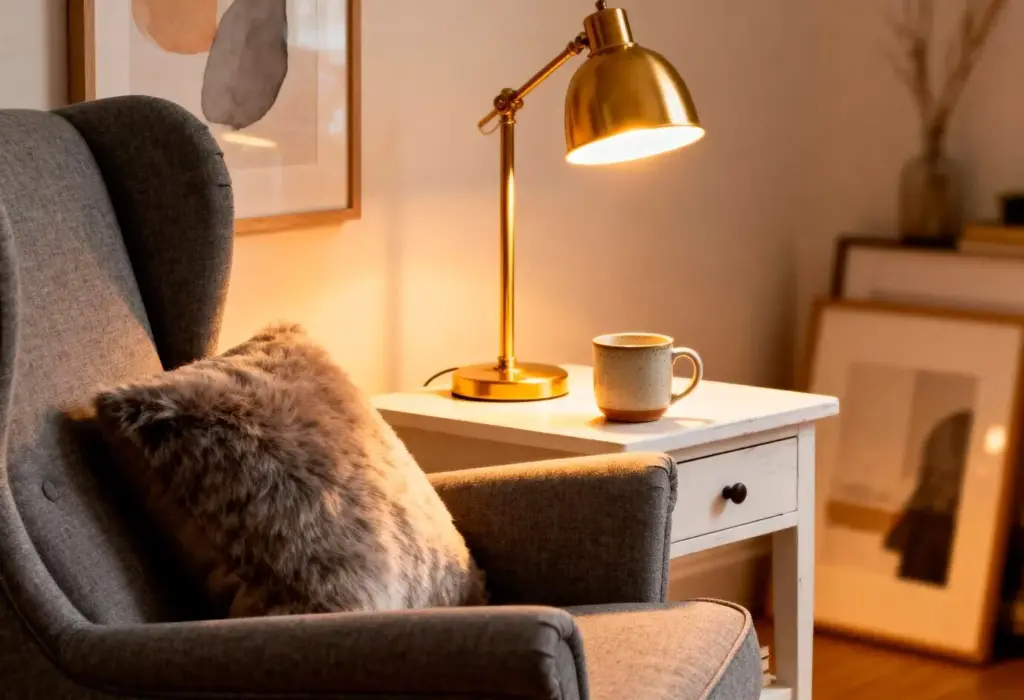
Presence detection can be respectful and precise without becoming intrusive. mmWave sensors discern occupancy and micro-movements while protecting identity; door and floor sensors add context without recording faces. Keep processing local, share as little data as possible, and design triggers around moments that actually help. The result is a home that notices needs—warmth, light, airflow—yet never feels like it is watching, only caring, stepping in with a soft hand precisely when comfort benefits most.

Lighting That Breathes With You
Circadian-aware lighting warms in the evening, cools gently by day, and fades between states with barely perceptible transitions. Think warm-dim lamps near seating, stair lights that glow low at night, and kitchen task zones that brighten only while you chop. No abrupt flashes, no constant tapping—just supportive light that adapts to activity and time. With adaptive scenes and slow ramp times, rooms become calmer, your nervous system unwinds, and comfort arrives like a soft exhale after a long day.

Climate That Anticipates Gently
Comfort is often about prevention rather than correction. Predictive climate control starts early, quietly settling temperatures before you notice a change. Radiant heat warms surfaces, silent ventilation refreshes stale air, and smart dampers nudge airflow to occupied rooms without gusts or noise. Avoid aggressive swings; tune small, steady adjustments. Pair sensors with habits—bedding choices, window use, bath timing—and your environment will meet you halfway, delivering calm that feels natural, considered, and delightfully uneventful in the best possible way.
Design Principles for True Invisibility
Invisible comfort grows from design, not just devices. Begin with pathways, activities, and quiet places where your attention rests. Hide technology inside thoughtful routines: doors that unlock as you approach, lights that anticipate movement, and controls that never demand explanation. Favor local logic, graceful fallbacks, and consistent behavior across rooms. When every interaction feels obvious and reversible, stress fades. Invisibility is achieved when your home seems simply considerate—predictable, humane, and ready to help without asking for applause or extra steps.
Less Hardware, More Harmony
Reduce visual clutter by consolidating hubs, tucking sensors behind trim, and using power-over-ethernet where practical. A few well-placed, high-quality devices beat dozens of gadgets fighting for attention. Plan wiring paths early, align switch heights, and keep finishes consistent. Focus on what you actually touch and see daily. Harmony comes from restraint and coherence, freeing your senses to rest. When hardware disappears into architecture and furniture, the experience becomes about flow, comfort, and ease—not the technology quietly orchestrating it all.
Context Over Control
Design for intent rather than endless toggles. Let a single arrival event set lighting, temperature, and music at once, tuned by time and season. Use occupancy and ambient light to pick scenes automatically, then allow gentle manual nudges that teach the system your preferences. Prioritize routines over dashboards; the best interface is the one you forget exists. By honoring context—who’s home, what is happening, and why—controls fade, comfort rises, and your day moves forward without constant negotiation with buttons or apps.
Fail Gracefully, Always
Invisible systems should never strand you. Keep essential functions local, provide manual overrides, and set compassionate defaults when networks falter. Doors still open, lights still work, climate stays reasonable, and scenes default to safe, familiar states. Test power outages, router resets, and sensor failures in advance. Label breakers, store spare batteries, and document simple recovery steps. When failures become mild inconveniences rather than crises, trust deepens, and your home earns its calm by responding with stability, not panic or chaos.
Privacy, Security, and Trust That Soothe
Calm evaporates without trust. Choose local-first platforms, minimize cloud dependence, and practice intentional data sharing with clear consent. Segment networks so guests and gadgets stay politely separated, and keep logs transparent so everyone understands what’s recorded and why. Update on a predictable schedule, disable unneeded features, and rotate credentials responsibly. Security that feels humane, not paranoid, allows your home to be both smart and peaceful. When privacy is built into the foundation, comfort can rest there confidently, unhindered by worry.

Room-by-Room Ideas You Hardly Notice
Subtlety thrives when tailored to place. Each room offers distinct opportunities for gentle assistance: bed spaces prioritize circadian balance and silence; kitchens optimize task lighting and safety; bathrooms manage humidity and warmth. Think of small, dependable gestures instead of flashy tricks. A hallway glow that guides bare feet, a mirror that never fogs, or a cooktop that warns discreetly—all add up to peace. Begin with one room, refine, then replicate, ensuring the invisible stays reassuring, never distracting or busy.

An Evening That Unfolds Itself
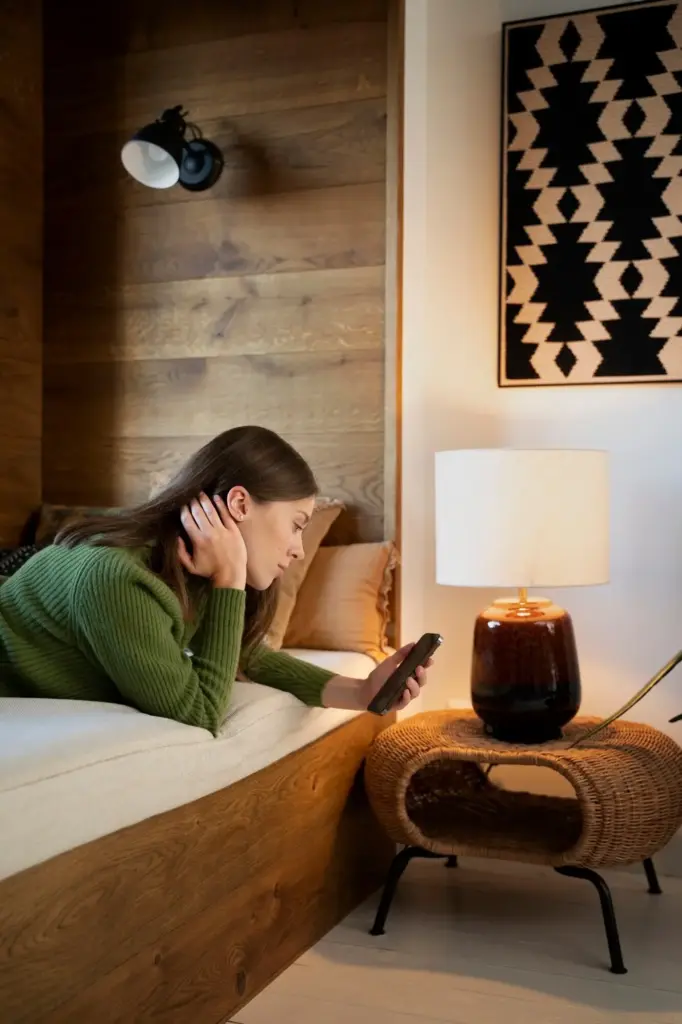
Picture a weekday evening where nothing needs announcing. Arrival triggers warmth in the entry, hallway lights welcome, and your phone never leaves your pocket. Music drifts to the kitchen while the living room settles at a breathable brightness. Later, the home transitions to night posture without negotiations. Every cue is quiet, every change expected. No dashboards, no frantic taps—just a sense that the house understands rhythm. This is the difference between gadgetry and hospitality, between novelty and ease you can trust.
Matter and Thread, Quietly Reliable
Thread forms a self-healing mesh that keeps devices talking even when a single node fails, while Matter unifies control so you can switch ecosystems without rewiring your home. Border routers in strategic spots ensure reach without excess hardware. Favor devices with strong local support and consistent firmware updates. Test automations with real routines before expanding. The result is responsiveness that feels instant and boring—in the best way—where reliability becomes invisible because nothing calls attention to itself anymore.
Interfaces You Barely Notice
Prefer ambient cues over notifications: a gentle color shift says the door is locked; a warmer lamp suggests bedtime. Keep voice reserved for hands-busy moments, and treasure tactile, intuitive controls—rockers, dimmers, and scene buttons that work without thought. Avoid multi-page apps; surface only what matters. When interfaces recede, the home’s intent becomes clear. You gain quiet certainty, not dashboards. The aim is familiarity so deep that guests understand the space without instruction, guided by subtle, human-centered signals throughout their visit.
Energy and Care Without Nagging
Comfort and efficiency can coexist gracefully. Monitor energy at the circuit level, not every plug, and surface only meaningful exceptions—unexpected standby spikes, HVAC filters nearing replacement, or water heaters running overtime. Let automations correct small waste automatically while offering clear, optional summaries weekly. Battery devices notify at civilized thresholds with grouped reminders, never a scatter of pings. Maintenance becomes a predictable rhythm, not a stream of anxieties, preserving calm while trimming costs and extending the considerate life of your home’s quiet helpers.
A Gentle Starter Stack
Build slowly and locally. Choose a controller that favors Matter and Thread for reliable, low-power communication, and keep critical automations offline-capable. Start with lighting, climate, and a few carefully placed presence sensors before tackling media or complex scenes. Document naming clearly, label circuits, and add one invisible upgrade at a time. Each addition should reduce taps, not increase them. With patient layering, the system disappears into daily life, and comfort grows from a handful of well-chosen, well-behaved building blocks.
Join the Conversation, Shape the Calm
Your Calm Routine
Tell us where calm breaks for you: bright entry lights, noisy fans, or too many switches near the bed. Describe one moment you’d love to automate invisibly, and we’ll suggest approaches that respect privacy and simplicity. Stories from real homes guide better defaults than specs alone. Your experiences—constraints, surprises, and small delights—help map realistic paths toward comfort that sticks, ensuring suggestions are grounded, kind, and genuinely helpful to households at different stages of their quiet technology journey.
A Weekend Experiment
Try one invisible experiment this weekend: add a slow-ramp bedtime scene, set hallway lights to whisper brightness at night, or move a presence sensor to capture real motion paths. Keep changes small, observe for a week, then adjust timing or thresholds. The goal isn’t perfection; it’s discovering where tiny interventions relieve effort. Share your before-and-after feelings, not just data. Those reflections help others design gentle steps too, creating momentum for improvements that feel natural rather than demanding constant attention or complex tweaking.
Subscribe for Subtle Upgrades
If this approach resonates, subscribe for occasional notes featuring thoughtful patterns, resilient setups, and reader examples that prioritize calm over flash. Expect practical, tested guidance rather than gadget hype—short, clear messages you can act on immediately. You’ll also receive checklists for privacy-first defaults and seasonal tune-ups that keep everything running smoothly. Our promise is simple: fewer taps, fewer pings, more ease. Together we can shape homes that care quietly, so your attention returns to conversations, books, and unhurried evenings.